Poultries & Slaughterhouses

Advanced treatment solutions for biodegradable effluents in meat processing facilities. Ensuring environmental compliance while maintaining operational efficiency.

Explore Solutions

The Challenge


Slaughterhouses and meat processing plants are among the top producers of biodegradable effluents, creating complex wastewater streams that require specialized treatment solutions.

Industry Overview

The meat processing industry encompasses operations varying by animal type (poultry, beef etc) and products (fresh cuts, cured meats, precooked items).

  • Separate slaughtering and processing areas
  • Hygiene standards maintenance
  • Distinct waste management systems

Environmental Impact

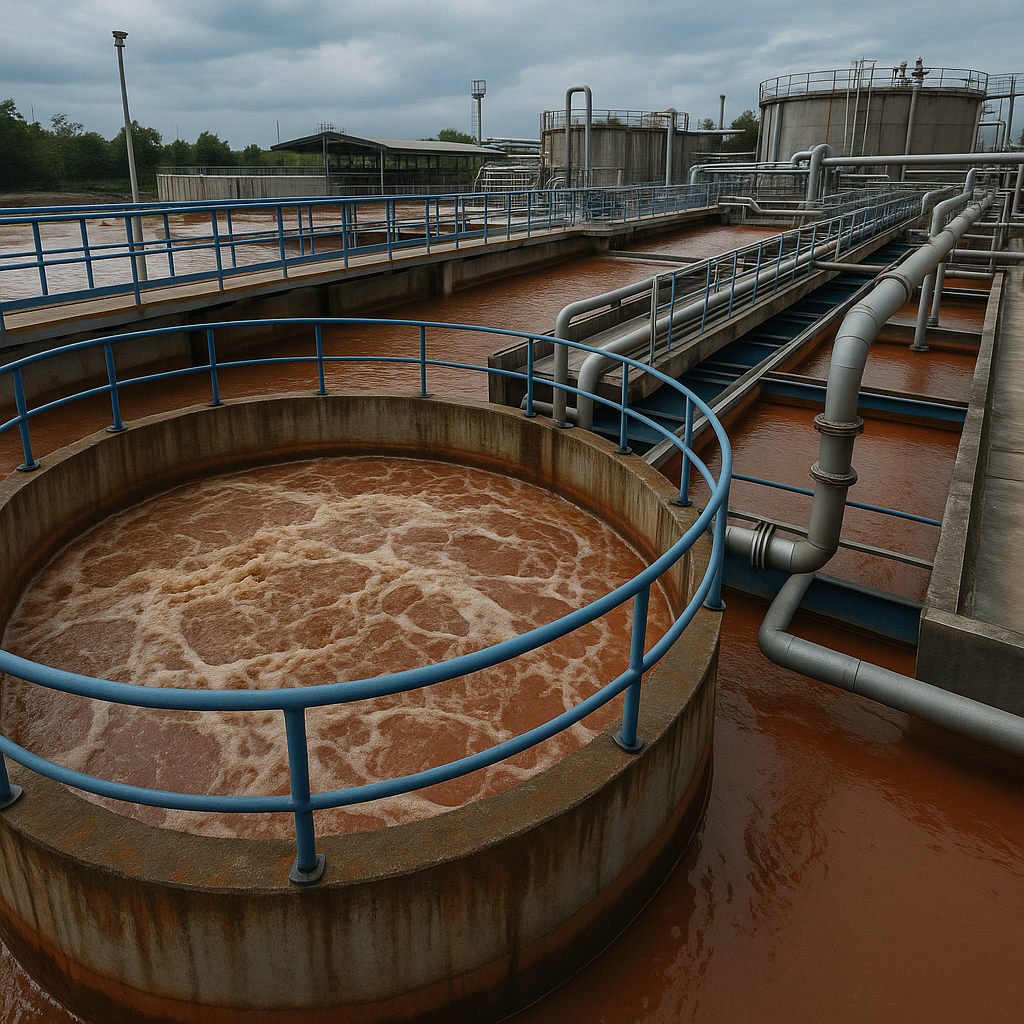
High organic loads from biological by-products require complex treatment to meet environmental and public health standards. Water usage varies by species, but as a general benchmark, meat plants consume approximately:

5-10 m³/ton (Beef)
6-30 liters/bird
Wastewater Sources

Understanding the various sources of wastewater in meat processing facilities is crucial for effective treatment design.

Animal Holding Areas

Feces, urine, and bedding materials from stables contribute to wastewater, especially in poultry operations.

Slaughter Process

Extensive water use for rinsing and cleaning animals creates wastewater containing blood, fat, and biological residues.

Cleaning & Sanitation

Regular washing of tools, floors, and machinery produces wastewater with organic debris and chemical residues.

By-product Handling

Processing of internal organs, bones, and fat requires washing, producing additional contaminated wastewater streams.

Skin & Hide Treatment

Leather processing involves tanning chemicals that require specialized treatment solutions.

Wastewater Composition & Contaminants

  • Suspended Solids: Organic residues including tissue fragments, hair, feathers.
  • Organic Matter: High BOD/COD from blood, meat particles, and biological waste.
  • Fats, Oils & Grease: FOG from animal fat and processing oils.
  • Chemical Contaminants: Cleaning agents, disinfectants, sanitizers.
  • Pathogens: Bacteria, viruses, and parasites.
  • Nutrients: High nitrogen and phosphorus content.

Advanced Treatment Technologies

Comprehensive treatment systems designed to handle high organic loads and ensure environmental compliance.

STEP 1
Pretreatment

Pretreatment: The First Line of Defense

Effective pretreatment protects downstream equipment and improves overall treatment efficiency.

  • Mechanical Screening: Coarse (>30mm) and Fine (~3mm) screening.
  • Homogenization: Mixing and pH control.
  • DAF: Dissolved Air Flotation for fat/oil removal.
2

Coagulation-Flocculation

Destabilization and aggregation of suspended and colloidal particles using specialized chemical treatment.

Process Steps:
Coagulation with metal salts (5 min mixing)
Flocculation with polymers (10 min slow agitation)
3

Dissolved Air Flotation (DAF)

Advanced flotation system using microbubbles to separate fats, oils, and suspended solids effectively.

Key Features:
  • Microbubble injection system
  • Continuous surface scraping
  • Automated flow rate adjustment
  • High efficiency fat/oil removal
STEP 4

Biological Treatment (BIOWAVE™ SBR)

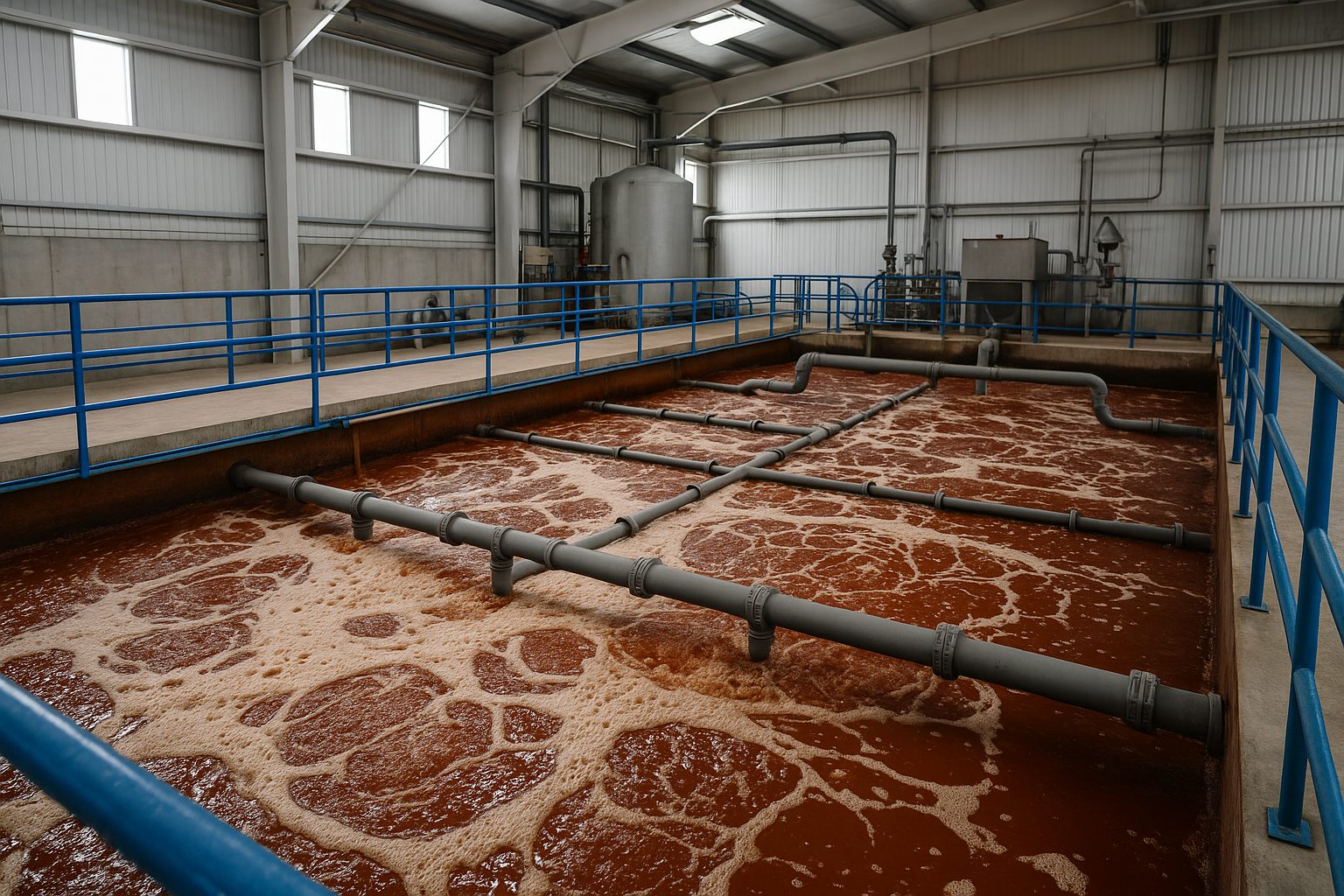
Nenner Haeuser's next-generation SBR platform delivers simultaneous nitrification, denitrification, and biological phosphorus removal.

  • 100% biological nutrient removal
  • Fine-bubble aeration efficiency
  • Validated for COD, BOD, & Total-N reduction
Biological Treatment
5

Post-Polishing Media Filtration

After biological treatment, Nenner Haeuser integrates high-performance media filters for advanced solids removal and final effluent polishing.

  • Multimedia or deep-bed sand filters remove fine suspended solids and colloids.
  • Optimised media gradation ensures high loading capacity and extended filtration cycles.
  • Automated backwash sequences restore filter efficiency with minimal operator input.
  • Corrosion-resistant construction ensures long service life.

Result: These filtration units deliver reliable, low-maintenance polishing—essential for achieving reuse-grade effluent or meeting strict discharge standards.